
Ophthalmic Surgery
Advanced surgical care for eye conditions requiring precise, specialty intervention to preserve comfort and vision.

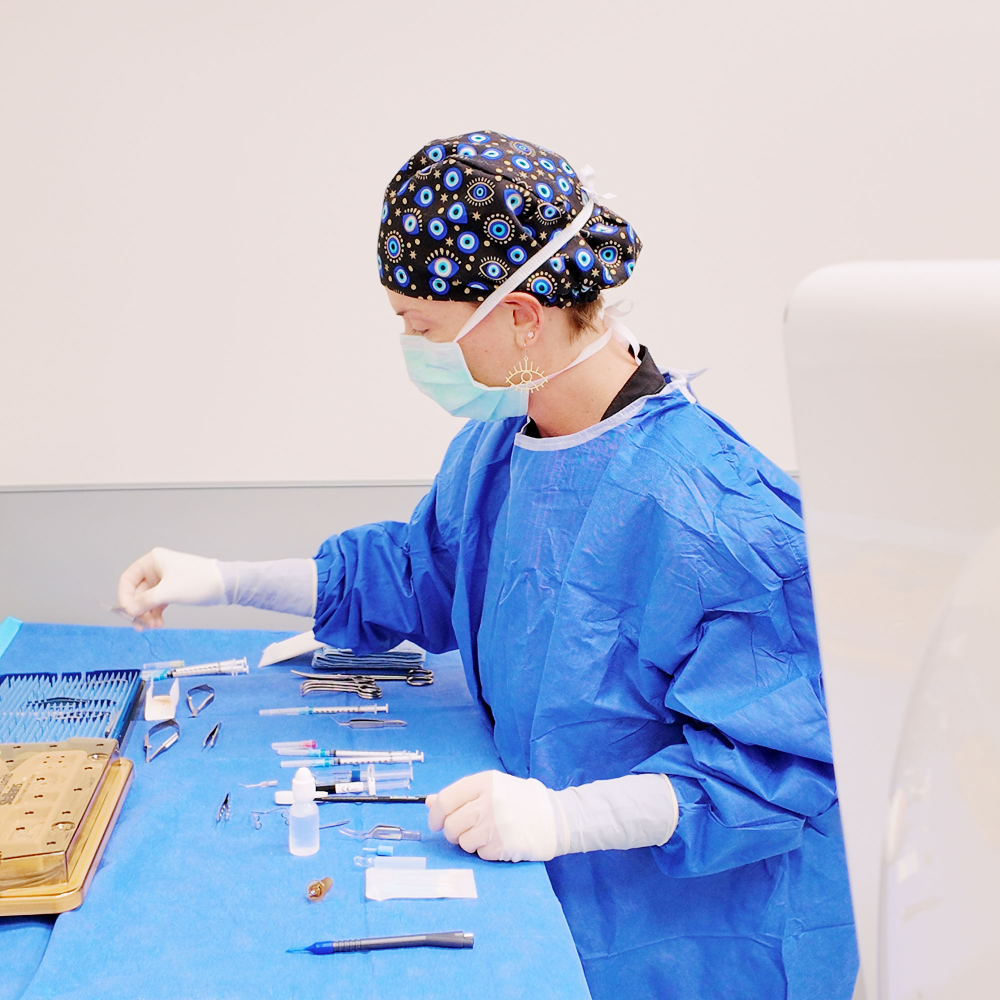
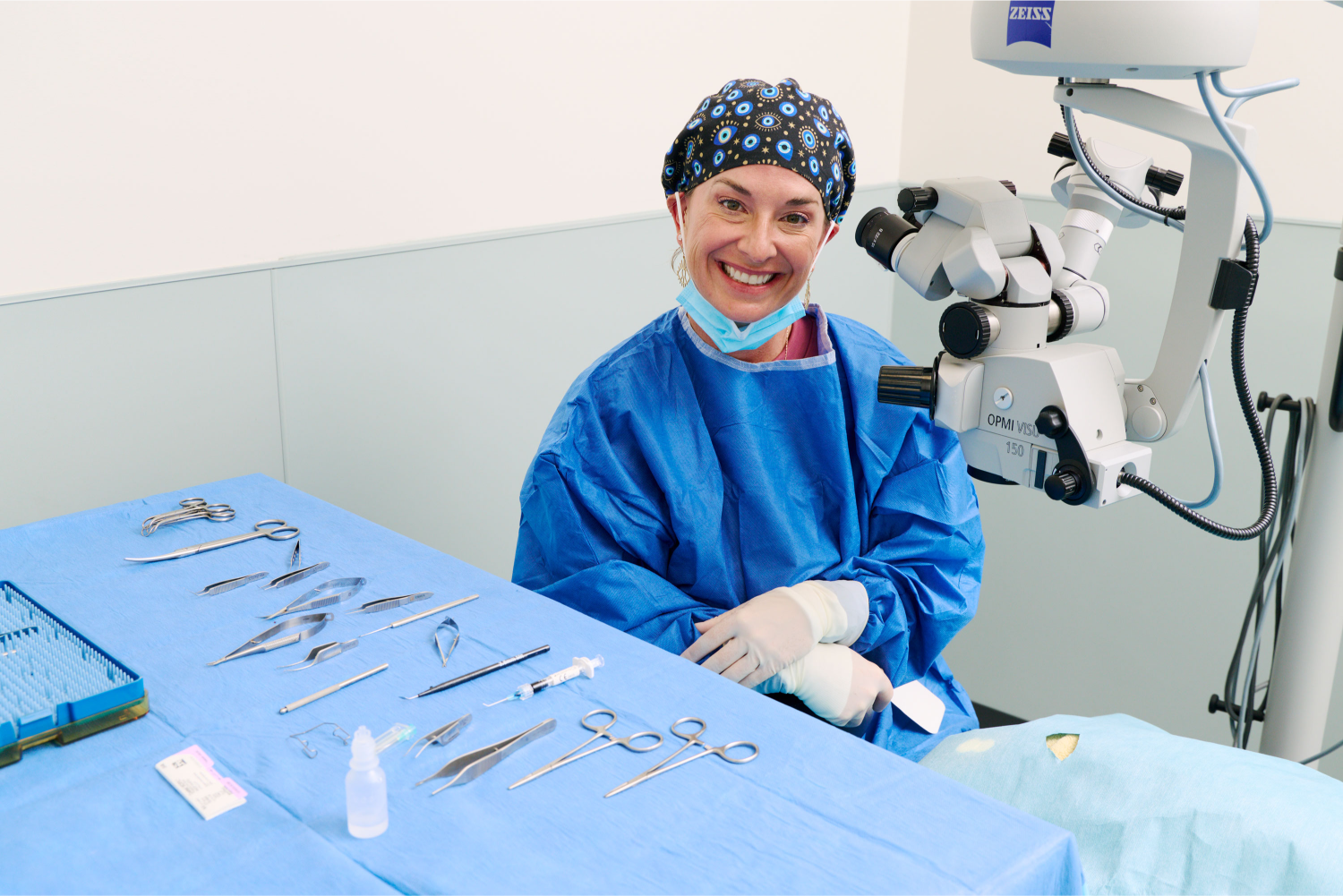
About Our Ophthalmic Surgery for Dogs, Cats, & Horses
VVC performs the full range of veterinary ophthalmic surgery, including cataract surgery, corneal grafts and keratectomy, eyelid reconstruction, cherry eye replacement, distichia and ectopic cilia removal, glaucoma procedures, enucleation, and more.
Some procedures can be performed with light sedation whereas others require general anesthesia. Advanced techniques often need the aid of an operating microscope. Your pet is discharged the same-day with post-op eye drops and oral medications. The post-operative expectations, monitoring instructions and recheck recommendations are reviewed by our team.
Surgery isn’t itself an emergency, but certain conditions require emergency surgical evaluation, so knowing what VVC can do on short notice helps referring vets and anxious pet parents.
Preparation is key
Our surgical team will help you and your pet properly prepare for surgery. Prior to surgery, you’ll receive key information, like:
- Surgical handout which includes detailed information about fasting, pre-surgical medications, and timing of the visit
- A cost estimate for the procedure, testing, & medications
- A copy of our Sedation & Anesthesia Consent form
What to bring
To ensure your pet has a smooth and safe procedure, we kindly request you bring the following items to your surgery visit:
- A list of your pet’s current medications
- A list of any known allergies or drug sensitivities
- All of your pet’s current eye medications
- A small meal if your pet eats a special diet
- If your pet is diabetic, please bring 2 syringes and their insulin in a smaller cooler bag with ice.
What to expect at your visit
-
Step 1: Check-in & Financial Deposit
Come to the front desk first to let us know you’re here. Please be sure your pet is safely restrained (dogs on leash, cats in carriers). You’ll review your estimate & leave the required deposit.
-
Step 2: Consent Forms & Questionnaire
A surgery nurse will then help you complete your surgical consent forms and paperwork by asking you a few, brief questions.
-
Step 3: Surgery Preparation & Procedure
Your pet will have an evaluation by our anesthesia veterinary technicians and any diagnostic testing like bloodwork will be completed. The timing of surgery is variable depending upon the day, doctor, and procedure. After surgery, you will be contacted by the doctor or surgery team member and a discharge time will be provided.
-
Step 4: Surgical Discharge
When you come to pick up your pet from surgery, come to the front desk to let us know you’re here. You’ll pay the remaining portion of the invoice and receive an itemized receipt. A discharge nurse will review your detailed post-operative instructions including monitoring, medications, and recheck schedule.
Frequently Asked Questions about Ophthalmic Surgery for Dogs, Cats, and Horses
The total cost of a procedure is not a flat fee; rather, it is personalized and depends on many factors, including the specific procedure, the length of time it takes, the type of anesthesia or sedation required, and the use of any specialized equipment (such as an operating microscope or a cataract unit). At your consultation you will be provided with an itemized estimate if surgery is recommended. This estimate includes the sedation and anesthesia medications, surgical supplies and operating room fees, medications for post-procedure use, and a protective E-collar, if needed. Additional items such as diagnostic tests or bloodwork may also be included on this estimate. Your pet’s first post-operative recheck is an included, complimentary visit.
For most procedures, plan for 10–14 days of activity restriction — no running, jumping on or off furniture, stairs, or off-leash play. Walks should be short, leashed, and only for bathroom breaks. Most pets return to normal activity once sutures are removed at the recheck.
For most procedures, your pet should be kept in a safe place when unsupervised, kept separate from other pets if needed, and activity limited to short leashed walks of 5–10 minutes for bathroom breaks. Excessive activity can cause the incision to open or break down. Certain procedures may have other restrictions, and our team will review these with you in detail.
The E-collar must be worn at all times after eye surgery until your ophthalmologist directs otherwise. Soft cones, inflatable donuts, and recovery suits don’t reliably block pawing or rubbing of the incision, which can cause delayed healing, bleeding, or infection.
This is variable amongst procedures, but most can expect mild discharge (sometimes blood-tinged), swelling, and redness for the first week. We may recommend icing the incision 3–4 times daily for the first 2 days to reduce inflammation. Watch for excessive squinting, pawing, pus-like discharge, or changes in how the surgery site looks — and call us if you have any concerns.
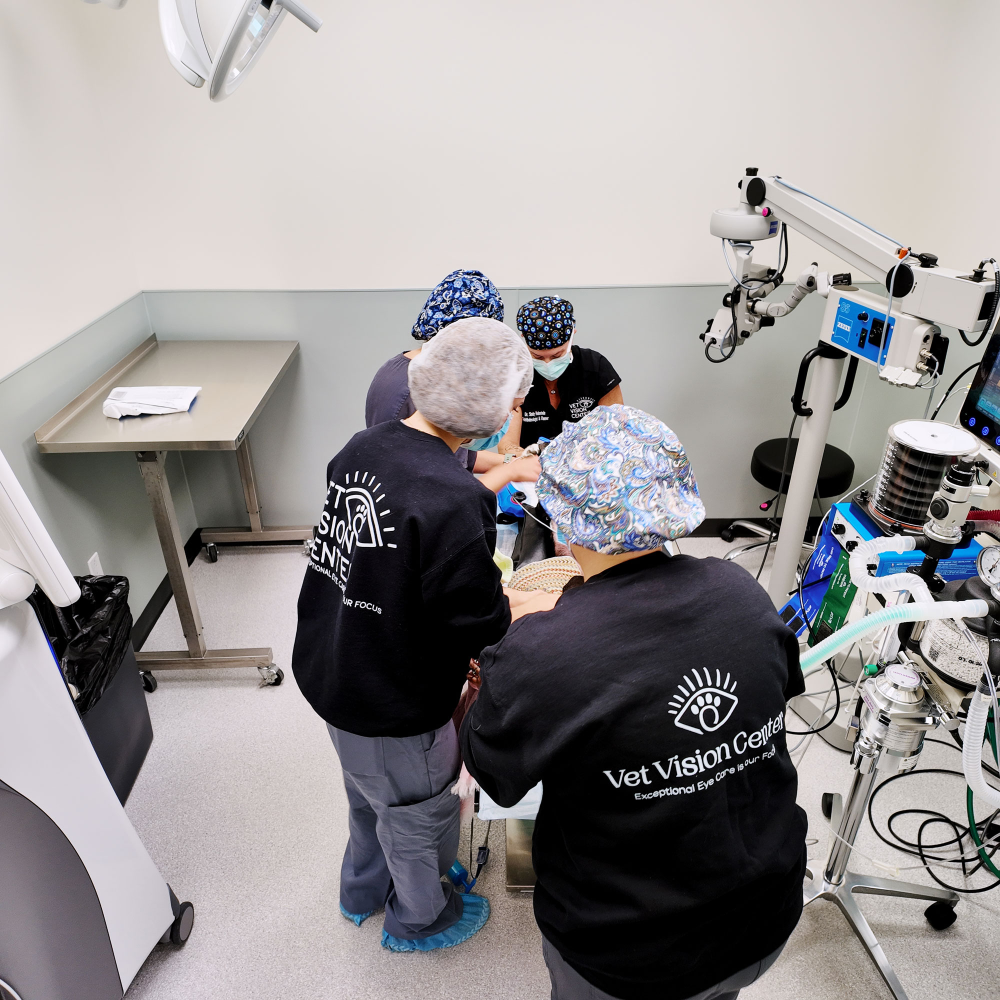
Related Resources: Your Guide to Surgery Day
While surgery and anesthesia naturally carry some risks, our highly trained team is equipped with advanced monitoring and protocols to actively mitigate them. We treat your pet’s safety as our highest priority, so you can rest assured they are in excellent, caring hands throughout the entire process.
From Dr. Shelby:
About Ophthalmic Surgery
Every part of this hospital was designed around eye care — from the equipment, to the surgical suites, to the way we educate families. Because we focus only on eyes, our team develops a level of comfort, efficiency, and expertise that is hard to replicate in a broader hospital setting. Our surgery & anesthesia technicians are trained around the unique needs of ophthalmology patients. That focus allows us to be highly specialized while still feeling personal and approachable, and with the goal of being exceptional at one thing: helping pets with eye disease.

Dr. Shelby Reinstein
Founder and board-certified veterinary ophthalmologist, Dr. Reinstein leads Vet Vision Center.
Let’s take care of your pet’s vision — together.
If something doesn’t feel right, you don’t have to wait. Schedule an appointment or give us a call. We’re here to help you find answers and next steps with clarity and care.